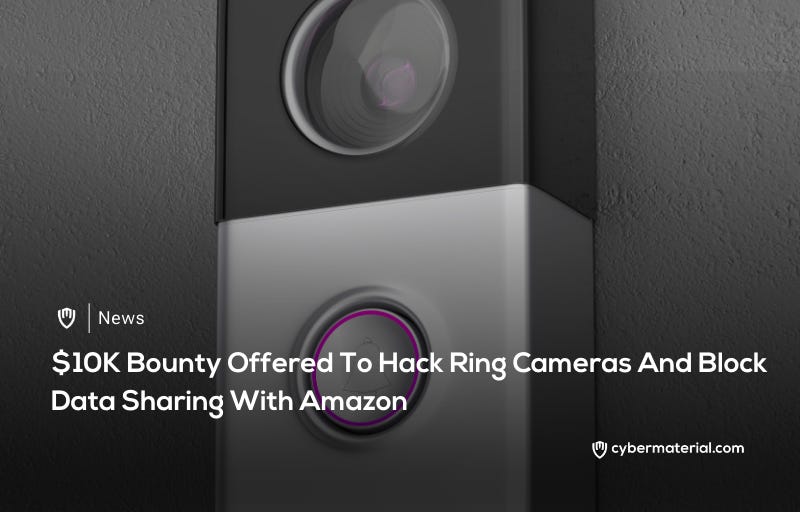
The Fulu Foundation is offering a ten thousand dollar reward to anyone who can successfully block Ring security cameras from transmitting private data to Amazon servers. This nonprofit initiative aims to reclaim user privacy and eliminate unwanted features without permanently damaging the device hardware.
A recent Super Bowl advertisement from the Amazon-owned company Ring, which featured a heartwarming story about a lost dog, sparked an unexpected wave of anxiety and criticism among privacy advocates. Instead of focusing on the sentimental narrative, many viewers saw the commercial as a reminder of the massive surveillance network the company has established across residential neighborhoods. This negative reaction highlights a growing discomfort with how home security footage is handled and shared by tech giants.
In response to these concerns, a nonprofit organization known as the Fulu Foundation has stepped in to challenge the current ecosystem of user-hostile technology. The group specializes in paying out bounties to individuals who can find ways to disable intrusive features or data collection practices in popular consumer electronics. Their primary goal is to empower consumers by providing them with the technical means to opt out of corporate data harvesting.
The foundation is currently offering a ten thousand dollar prize to any developer or engineer who can find a reliable method to stop Ring cameras from communicating with Amazon. The challenge is technically difficult because the solution must function without bricking the device or rendering the hardware useless. This bounty represents a push to return control of personal data to the individuals who actually own and operate the cameras in their homes.
Critics of the current system argue that while home security cameras offer peace of mind, they also create a centralized database of video footage that can be accessed or analyzed in ways users never intended. The Fulu Foundation views this as a fundamental breach of privacy and believes that hardware owners should have the final say over where their information is sent. By incentivizing a technical workaround, they hope to create a blueprint for reclaiming digital sovereignty.
As the debate over smart home surveillance intensifies, projects like this bounty program suggest that some consumers are no longer willing to trade their privacy for convenience. Whether a technical solution is found remains to be seen, but the initiative has already succeeded in drawing attention to the hidden costs of connected devices. For now, the hunt continues for a way to sever the tether between household cameras and the corporate servers that manage them.
Source: $10K Bounty Offered To Hack Ring Cameras And Block Data Sharing With Amazon


