

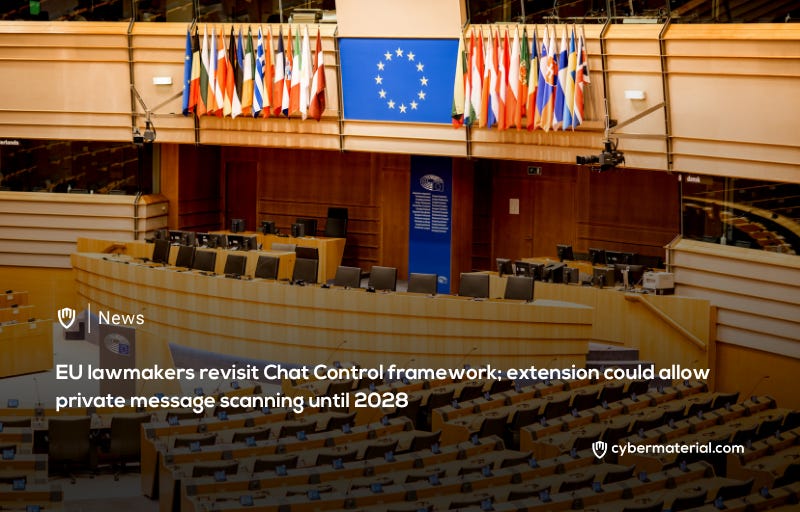
The European Union is moving forward with a vote to extend temporary regulations that permit online platforms to scan private messages for child sexual abuse material, potentially keeping the framework in place until 2028. The decision reopens debate over the so-called chat control measures that have divided lawmakers between child protection advocates and privacy defenders.
The temporary framework currently allows technology companies to voluntarily scan user communications for illegal content related to child exploitation. These provisions were originally implemented as an interim solution while EU institutions worked toward comprehensive permanent legislation. However, disagreements over privacy protections and technical implementation have stalled progress on a long-term regulatory approach.
The scanning technology at the center of the debate enables platforms to detect known child sexual abuse material by comparing message content against databases of illegal images. Supporters argue these tools are essential for identifying and preventing the distribution of exploitative content online. Critics, including digital rights organizations, contend that scanning private communications creates surveillance infrastructure that could be expanded beyond its stated purpose.
The extension would affect major messaging platforms and social media services operating within EU member states. If approved, companies would continue current voluntary scanning practices for another four years while permanent rules remain under negotiation. The decision reflects ongoing tension between public safety objectives and fundamental rights to privacy in digital communications.
Stakeholders on all sides of the debate are watching the vote closely as it will determine the regulatory environment for encrypted messaging services through the remainder of the decade. Privacy advocates recommend that users stay informed about how platforms handle their data and consider using services with strong encryption policies. Organizations should review their compliance obligations under the extended framework and prepare for potential changes when permanent legislation eventually takes effect.
Source: https://crypto.news/eu-lawmakers-revisit-chat-control-rules-what-does-it-mean-for-crypto/