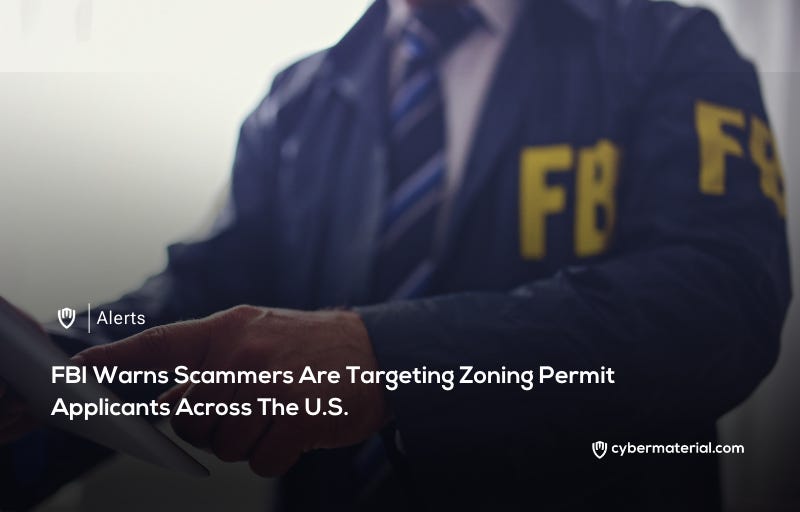
TThe FBI is alerting the public to a phishing scheme where scammers impersonate local government officials to target people seeking planning and zoning permits. By using public records to reference specific permit details, these criminals trick victims into sending fraudulent payments via wire transfers or cryptocurrency.
Cybercriminals have launched a new wave of phishing attacks by masquerading as city and county officials to exploit individuals and businesses involved in land-use projects. These scammers scour public databases to find active permit applications, allowing them to include accurate property addresses, case numbers, and the names of real government employees in their messages. This level of detail makes the fraudulent emails appear highly credible to unsuspecting applicants who are already expecting correspondence regarding their projects.
The fraudulent messages typically include professional language and attached PDF invoices that look like official billing statements. Victims are instructed to pay various permit-related fees through non-traditional methods such as peer-to-peer payment apps, wire transfers, or digital currency. To prevent victims from verifying the claims, the attackers often insist that all communication remain in writing for audit purposes, effectively discouraging the applicant from calling their local planning office to confirm the charges.
A sense of urgency is a primary tactic used in these scams to pressure victims into making quick decisions. The emails often warn that failure to pay immediately will result in significant delays, permit denials, or other bureaucratic obstacles that could derail a construction or renovation project. By timing these messages to coincide with actual milestones in the permitting process, the criminals increase the likelihood that the recipient will overlook suspicious details in a rush to keep their project on schedule.
Despite their professional appearance, these phishing attempts often contain subtle red flags that can help potential victims identify the fraud. The sender’s email address usually originates from a non-government domain that may closely mimic an official one through slight misspellings or different extensions. Additionally, legitimate government agencies rarely demand payment through cryptocurrency or mobile apps and typically provide multiple ways to verify fees through established official portals or phone lines.
To stay protected, the FBI advises individuals to independently verify any payment requests by contacting city or county offices using phone numbers found on official government websites. It is important to scrutinize email domains and avoid clicking on links or attachments from unsolicited sources, even if they feature official logos. Anyone who encounters these messages or suffers a financial loss should report the activity to the FBI’s Internet Crime Complaint Center to help law enforcement track and stop these nationwide operations.
Source: FBI Warns Scammers Are Targeting Zoning Permit Applicants Across The U.S.


