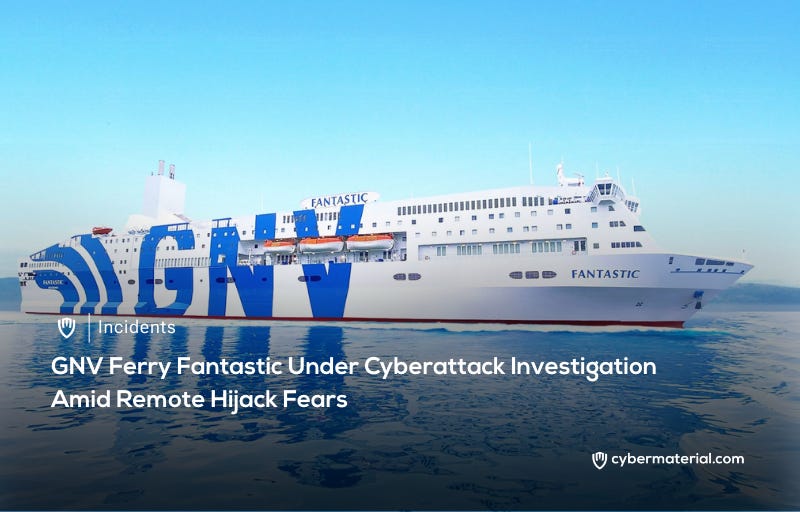
French authorities initiated a formal investigation after Italian intelligence services raised concerns regarding two crew members, a Latvian and a Bulgarian national, suspected of acting on behalf of a foreign power. The Paris prosecutor’s cybercrime unit is now leading the probe into an organized attack on automated data systems. While the Bulgarian sailor was eventually released, the Latvian national has been charged with conspiracy and the possession of specialized devices designed to interfere with maritime navigation systems.
The shipping company, GNV, stated that its security protocols successfully identified and neutralized the attempted intrusion before any critical company systems were impacted. The company emphasized that it alerted the proper authorities immediately and provided full cooperation throughout the investigation. During police operations that lasted several hours, the vessel remained in port to ensure passenger safety and allow technical experts to conduct a thorough sweep of the onboard digital infrastructure.
Security analysts and media reports have suggested that the investigation may be linked to broader hybrid warfare activities, with some speculating on potential Russian involvement. The primary concern for investigators was whether the ship's systems had been infected with malware capable of allowing external control. To mitigate risks, the ferry was temporarily sealed and searched by law enforcement before being cleared to return to sea once maritime administrative authorities confirmed its safety.
GET 50% Discount for VPN/ANTIVIRUS SOFTWARE AT 911Cyber - CODE: bit5025
The case has drawn attention from international agencies, including Eurojust and Italian police, who conducted additional searches and seized assets in Latvia for forensic analysis. This cross-border cooperation highlights the increasing strategic focus on protecting maritime infrastructure from both physical and digital threats. While the incident raised alarms about remote hijacking, experts note that such scenarios are technically difficult because most ship control systems are not permanently connected to the public internet.
Ultimately, maritime cybersecurity specialists argue that while a total remote takeover remains highly improbable, the threat of espionage and data manipulation is a growing reality. This investigation serves as a significant case study in how European nations coordinate to defend against state-linked cyber activity. Future technical findings regarding the nature of the malware used will likely dictate how the maritime industry adapts its defenses against similar reconnaissance or sabotage attempts.
Source: GNV Ferry Fantastic Under Cyberattack Investigation Amid Remote Hijack Fears


